
Referral marketing is a way to get new customers by using happy customers. When people trust a brand, they tell their friends and family. This helps businesses grow. It costs less than regular ads and brings better results.
What Is Referral Marketing?
Referral marketing means asking your happy customers to share your product or service with others. It is also called word-of-mouth marketing. When someone tells a friend about a good product, that friend is more likely to buy it.
This method uses personal recommendations. People trust their friends more than ads. So, referral marketing works better and costs less money.
How Does Referral Marketing Work?
Referral marketing works with three main parts:
- The Advocate: This is your current customer. They get a special link, code, or page to share with friends.
- The Incentive: When a friend buys using the referral, the advocate gets a reward. It can be money, discounts, or points.
- The Reward: The friend who buys also gets a perk. For example, a discount on their first order. This makes buying easier.
Why Use Referral Marketing?
Referral marketing has many benefits. Here are some of the main reasons why businesses use it:
- Low Cost: It is cheaper than many other ways to get customers.
- More Trust: People trust recommendations from friends and family.
- Better Leads: Customers found by referrals are more likely to buy.
- Higher Sales: Referral customers often spend more money.
- Brand Awareness: More people know your brand because they hear about it.
Types of Referral Marketing
There are different ways to do referral marketing. Here are three common types:
| Type | Description | Example |
|---|---|---|
| Client Referrals | Customers directly refer new people to your business. | A happy customer tells a friend about your product. |
| Complementary Service Referrals | Partner with other businesses that offer related services. | A gym partners with a health food store to share customers. |
| Competitor Referrals | Work with competitors to refer customers for products you don’t offer. | Two software companies refer clients for different needs. |
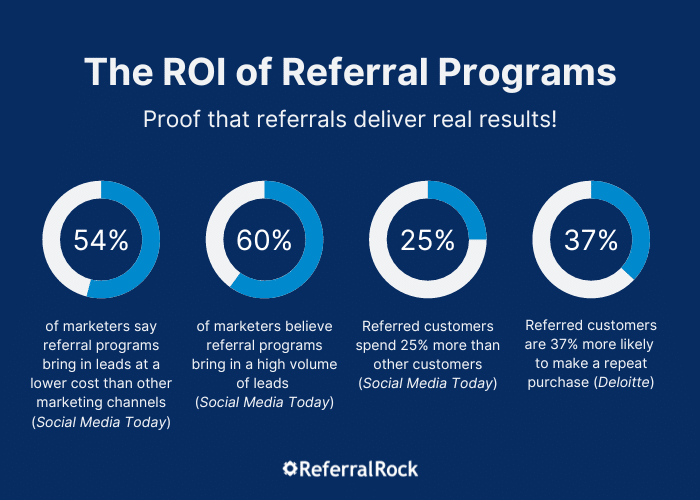
Credit: referralrock.com
Popular Incentive Structures
Choosing the right reward is key. Here are three popular ways to give rewards:
- Two-Sided Rewards: Both the referrer and the new customer get a reward. This is very common and works well.
- One-Sided Rewards: Only the person who refers others gets a reward.
- Multi-Offer & Rebate: Different rewards are given based on what the new customer does, like signing up or buying a product.

Credit: www.tremendous.com
How to Set Up a Referral Program
Here are simple steps to start your referral program:
- Find Happy Customers: Look for customers who like your brand. Use surveys or check who buys a lot.
- Make It Easy to Share: Give customers a special link, code, or page they can send to friends.
- Offer Clear Rewards: Tell customers and their friends what rewards they get.
- Track Referrals: Use software or tools to see who is referring and buying.
- Thank Advocates: Show you appreciate customers who refer others.
Best Practices for Referral Marketing
To get the most from your referral program, follow these tips:
- Target the Right Customers: Focus on loyal and happy customers.
- Keep Sharing Simple: Provide ready-made messages or emails for easy sharing.
- Be Clear: Make sure the rules and rewards are easy to understand.
- Offer Valuable Rewards: Give rewards that customers want and use.
- Follow Legal Rules: Be careful with personal data and promises.
- Promote the Program: Tell customers about the referral program often.
- Measure Success: Track how many new customers come from referrals.
Common Mistakes to Avoid
Referral marketing can fail if you make these mistakes:
- Not rewarding both sides of the referral.
- Making the sharing process hard or confusing.
- Ignoring legal rules about data and rewards.
- Not promoting the program enough.
- Choosing rewards that customers do not like.
Referral Marketing Examples
Many big companies use referral marketing. Here are some examples:
| Company | Referral Reward | How It Works |
|---|---|---|
| Dropbox | Extra storage space | Invite friends to join and get more free cloud storage. |
| Uber | Free rides or ride credit | Share a code with friends. Both get ride discounts. |
| Amazon Prime | Gift cards or discounts | Refer friends to Prime and earn rewards. |
Legal Considerations in Referral Marketing
Referral marketing is legal but needs care. Here are some points to keep in mind:
- Be clear about rewards and conditions.
- Do not promise rewards without delivering.
- Protect customer information carefully.
- Follow laws about privacy and data collection.
If unsure, ask a legal expert before starting your referral program.
How to Measure Referral Marketing Success
You want to know if your program works. Here are key things to track:
- Number of new customers from referrals.
- Cost to get each new customer.
- How much new customers spend.
- How many customers share with friends.
- Overall growth in sales.
Use this data to improve your program over time.
Summary
Referral marketing helps businesses grow by using happy customers. It is simple and costs less than ads. When customers share with friends, both sides get rewards. This builds trust and brings more buyers.
Set up your program by finding loyal customers, making sharing easy, and giving clear rewards. Avoid common mistakes and follow legal rules. Track your results to make your program better.
Referral marketing can be a smart tool for many businesses. It creates more customers with less effort. Try it and see how your business can grow.
Frequently Asked Questions
What Is A Referral Marketing?
Referral marketing encourages satisfied customers to promote a brand to their network. It uses incentives to boost trust, lower acquisition costs, and increase sales. This strategy relies on word-of-mouth recommendations, rewarding both referrers and new customers to drive growth effectively.
Is Referral Marketing Legal?
Referral marketing is legal when it follows clear rules about rewards and data privacy. Avoid misleading promises and protect personal information. Complying with local laws ensures your referral program stays lawful and effective.
What Are Examples Of Referral Marketing?
Examples of referral marketing include customer referral programs, affiliate partnerships, and influencer endorsements. Brands offer discounts or rewards for referrals, encouraging sharing. Word-of-mouth campaigns and two-sided incentives boost customer acquisition and loyalty effectively.
What Are The Three Types Of Referrals?
The three types of referrals are client referrals, complementary service referrals, and competitor referrals. Client referrals come from satisfied customers. Complementary service referrals involve partnering with related businesses. Competitor referrals occur when competitors refer clients to each other.
